Frequently Asked Questions
1. What are the common fastening mechanisms used for Garmin watch bands?
2. What are the pros of using a traditional buckle for Garmin watch bands?
3. What are some drawbacks of the magnetic closure mechanism?
4. How can I determine the best fastening mechanism for my needs?
5. What maintenance tips can help extend the life of my Garmin watch bands?
Garmin watches have surged in popularity among fitness enthusiasts and tech-savvy users alike. To keep up with this trend, Garmin watch bands have become a crucial accessory, not only for style but also for functionality. However, when selecting a band, one of the most important aspects to consider is the fastening mechanism. Fastening mechanisms can greatly affect comfort, security, and usability. In this article, we'll explore the various fastening mechanisms commonly used for Garmin watch bands, outlining their pros and cons to help you make an informed choice.
Understanding Fastening Mechanisms
Before diving into the specific types of fastening mechanisms, it’s essential to understand their role in Garmin watch straps. The fastening mechanism is responsible for keeping your watch secure on your wrist, which makes it an integral part of your overall experience. Let’s take a closer look at the various mechanisms available and what you should know about each one.
Traditional Buckle
One of the most common fastening mechanisms for Garmin watch bands is the traditional buckle. This mechanism has been used in watches for decades and continues to be popular due to its ease of use and reliability.
Pros:
- Security: A traditional buckle provides a secure fit, reducing the risk of your watch slipping off during activities.
- Adjustability: This mechanism allows for a customizable fit, making it easy to find the perfect tension for your wrist.
Cons:
- Complexity: For some users, mastering the fastening and unfastening process can be complicated, especially during workouts.
- Wear and Tear: Over time, the buckle can become worn, which may affect its functionality.
Pin and Tuck
The pin and tuck mechanism is a popular choice for Garmin watch straps, especially for those who enjoy a sleek design. This method utilizes a metal pin that slides through a series of holes, allowing for varied sizes and secure fastening.
Pros:
- Sleek Appearance: This mechanism offers a streamlined look, making it ideal for both casual and formal settings.
- Varied Sizing: With multiple holes available, users can easily adjust the strap for comfort.
Cons:
- Limited Lifespan: The holes in the strap can wear out, leading to decreased security over time.
- Less Efficient: Adjusting the size requires removing the pin, which can be inconvenient.
Magnetic Closure
Magnetic closures have recently gained traction in the world of Garmin watch bands for their modern design and ease of use. This mechanism typically involves a clasp that uses magnets to secure the band around your wrist.
Pros:
- Ease of Use: Magnetic closures allow for quick fastening and unfastening, making them perfect for active lifestyles.
- Comfortable Fit: They can be adjusted easily for a snug fit that doesn’t pinch or pull on the wrist.
Cons:
- Strength of Magnets: Depending on the quality of the magnets used, some bands may not provide a firm hold, especially during vigorous activities.
- Compatibility: Not all Garmin watch bands support magnetic closures, which may limit options for customization.
Velcro Straps
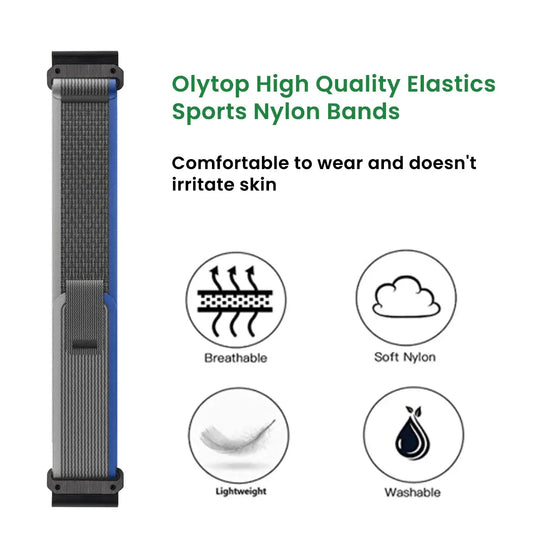
Velcro straps offer a unique fastening solution and are sometimes seen on Garmin watch bands designed for athletes or those in rugged environments. This method involves a loop-and-hook system that allows for adjustable sizing.
Pros:
- Adjustable: Velcro straps offer a wide range of adjustability, making them easy to fit for any wrist size.
- Soft and Comfortable: The soft material can feel more comfortable against the skin, especially when engaging in long hours of wear.
Cons:
- Durability: Over time, Velcro can wear out, losing its ability to hold firmly.
- Debris Attraction: The hook-and-loop fabric may snag onto clothing or attract dirt and lint, which can detract from its appearance.
Slide Clasp
The slide clasp is a common fastening option in many Garmin watch bands, allowing users to adjust the length by sliding the clasp along the band until the desired fit is achieved. This mechanism is often appreciated for its functionality.
Pros:
- Easy Adjustability: The slide feature allows for quick adjustments, making it ideal for active users on-the-go.
- Secure Fit: When adjusted correctly, slide clasps provide a reliable and secure fit during activity.
Cons:
- Potential Wear: Repeated sliding can lead to wear over time, affecting the structure of the strap.
- Limited Style: Some users may find slide clasps less aesthetically pleasing compared to other options.
Choosing the Right Fastening Mechanism
With various fastening mechanisms available for Garmin watch bands, it's essential to consider several factors before making your decision. Here are some things to keep in mind when choosing your ideal Garmin watch strap:
Purpose and Usage
Assess how and when you plan to use your Garmin watch. If you're using it primarily for fitness activities, a fastening mechanism that offers security and moisture resistance, like Velcro or a buckle, may be more appropriate. However, if style is your priority, a magnetic closure or pin and tuck can provide an elegant look while remaining functional.
Comfort
Comfort is crucial, especially for those who wear their Garmin watches for extended periods. Look for bands that feature soft materials and adjustable fittings to ensure comfort during all-day wear. Consider asking yourself, "Will this mechanism pinch or irritate my skin?"
Durability
Think about how long you plan to keep your Garmin watch bands. Some mechanisms may wear out more quickly than others, leading to future costs and replacements. If longevity is a priority, opting for a traditional buckle or slide clasp may be your best bet.
Style Preference
Your choice of fastening mechanism should also align with your style preferences. Modern magnetic closures might suit minimalist aesthetics, while traditional buckles offer a classic look. Assess what best represents your style while also providing functionality.
Maintenance Tips for Your Garmin Watch Bands
Regardless of the fastening mechanism you choose, proper maintenance can extend the life of your Garmin watch bands. Here are some tips to help you care for your bands:
- Regular Cleaning: Wipe down your bands regularly to remove sweat, dirt, or debris that may accumulate.
- Inspecting for Damage: Routinely check your fasteners for wear or damage and replace them as necessary.
- Store Properly: When you're not wearing your Garmin watch, store it in a cool, dry place away from direct sunlight to maintain the integrity of the materials.
Final Thoughts on Fastening Mechanisms for Garmin Watch Bands
Choosing the right fastening mechanism for your Garmin watch bands is crucial for a comfortable and secure wearing experience. Each type of fastener comes with its unique advantages and disadvantages, so weighing them against your personal needs is essential. Consider what activities you will engage in, how long you will wear your watch, and the style that best represents you. Remember, your Garmin watch strap is not just an accessory; it's an essential part of your daily routine. By putting careful thought into this decision, you can enhance your overall Garmin experience and enjoy your adventures to the fullest!
Visit one of our fellow Shopify or Wix users' stores by clicking this store link. Please note that this is a promotional link, and we are not responsible for the content of the linked store.