Frequently Asked Questions
1. What are the environmental impacts of silicone bands for Garmin watches?
2. How do nylon bands affect the environment?
3. What are the sustainability issues related to leather bands?
4. Are stainless steel bands a better option in terms of sustainability?
5. How can consumers make more sustainable choices when selecting Garmin bands?
When it comes to fitness tracking and outdoor adventures, Garmin watches have established themselves as leaders in technology. An equally important aspect of these devices are the various Garmin bands and straps available that not only enhance style and comfort but also play a significant role in the environmental impact of the products. At Bands and Straps, we believe understanding these materials helps consumers make more informed choices. In this article, we’ll take a closer look at the environmental impact of different materials used in Garmin QuickFit bands, helping you navigate sustainability while enjoying your favorite watch.
Understanding the Different Materials Used in Garmin Bands
Garmin offers a variety of watch bands, and each material comes with its own set of benefits and drawbacks. To better understand their environmental implications, let’s explore the most common materials used in Garmin bands:
Silicone Bands
Silicone is one of the most popular materials for Garmin QuickFit bands. It is durable, resistant to water and sweat, and comfortable to wear. But what about its environmental impact?
- Production Process: While silicone is durable, its production involves oil-based petroleum, which contributes to environmental pollution and fossil fuel dependence.
- Biodegradability: Silicone is not biodegradable, leading to potential long-term waste in landfills.
- Recyclability: Some recycling programs accept silicone, but options can be limited depending on locality.
Nylon Bands
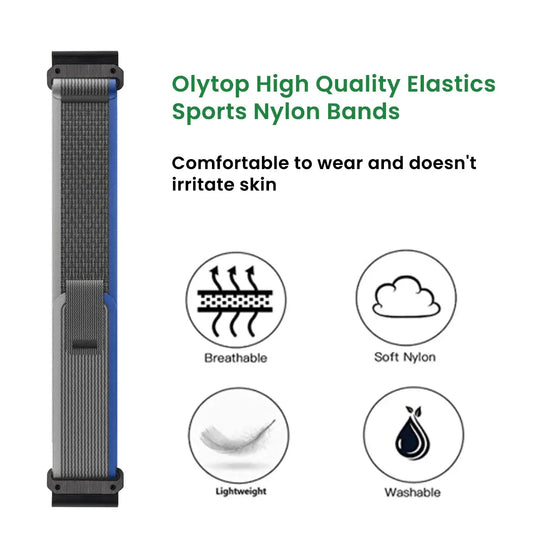
Nylon Garmin bands combine functionality with style, often favored for their lightweight and breathable qualities, perfect for athletic wear. However, there are environmental considerations as well.
- Source Material: Nylon is a synthetic polymer made from petrochemicals, raising concerns similar to those seen with silicone.
- Durability: Though strong and long-lasting, the production process is energy-intensive and has a significant carbon footprint.
- End of Life: Nylon is not biodegradable, although it can be recycled under specific programs.
Leather Bands
Leather is often associated with luxury and elegance, making it a popular choice for Garmin bands. Yet, leather's production comes with its own set of environmental impacts.
- Animal Welfare: The sourcing of leather includes animal agriculture, which introduces ethical and sustainability concerns.
- Pollution from Tanning: The tanning process necessary to treat leather involves hazardous chemicals and contributes to water pollution.
- Biodegradability: Unlike synthetic options, leather can biodegrade, but the timeline can vary significantly based on tanning methods.
Stainless Steel Bands
Stainless steel is another option available for those seeking a sleek aesthetic with durability. While it offers longevity, there are environmental considerations to keep in mind.
- Resource-Intensive: Mining and refining metals is an energy-intensive process, contributing to mineral depletion and environmental degradation.
- Recyclability: Stainless steel can be easily recycled, making it a more sustainable option when disposed of properly.
- Longevity: The durability of stainless steel means that it often does not need to be replaced frequently, reducing overall waste.
Comparing Environmental Impacts
To effectively compare these materials, we must weigh their environmental impacts against their benefits. Understanding these can promote more sustainable choices in the world of Garmin bands and straps.
Lifecycle Assessment
A lifecycle assessment considers the environmental impact of a product from production to disposal. Let’s delve into the factors influenced by each band material:
- Energy Consumption: Silicone and nylon tend to have high energy requirements for production, while stainless steel requires considerable energy for mining and processing.
- Emissions: Synthetic materials release more greenhouse gases, whereas leather largely depends on agricultural practices.
- Waste Management: Disposal and recyclability vary inherently between materials, with natural materials often offering better end-of-life options than synthetics.
Making Sustainable Choices
Choosing the right Garmin QuickFit band isn’t just about aesthetic appeal or comfort; it's also about making a difference. Here are some tips to help you make more sustainable choices:
- Research Brands: Opt for brands that prioritize sustainability practices in their manufacturing processes.
- Look for Certifications: Eco-labels or certification programs can help you identify genuinely sustainable products.
- Recycling Programs: Choose brands that offer take-back schemes for recycling or repurposing old bands.
The Future of Sustainable Garmin Bands and Straps
The growing awareness of environmental impact is prompting many brands to improve their materials and processes. In the future, we can expect innovative solutions such as:
- Biodegradable Materials: Manufacturers may develop new biodegradable or compostable materials that offer the same quality without contributing to landfill waste.
- Circular Economy:** Adoption of closed-loop production methods could become standard, ensuring materials are reused or recycled instead of discarded.
- Transparency and Education: Companies will likely increase transparency regarding their sourcing and manufacturing processes, empowering consumers to make informed decisions.
Join the Movement
As consumers, we hold the power to influence the market by choosing sustainability. By understanding the environmental impact of Garmin QuickFit bands and opting for more responsible products, we can collectively make a difference. Your choices matter, and each step contributes to a healthier planet. So the next time you’re considering a new band for your Garmin watch, think about its journey, its impact, and how you can play a role in promoting sustainability.
By embracing eco-friendly Garmin bands and straps, we can ensure that our love for fitness and technology aligns with our commitment to the environment. Let's make conscious choices for a sustainable future, one band at a time!