If your watch leaves a red mark, an itchy patch or a ring of irritated skin under the sensor, the band is usually not the culprit. What sits between the band and your skin is.
The usual cause
Sweat, soap residue, sunscreen and dead skin collect under a watch band and stay there. Wearing a band continuously means that layer never dries out and never gets rinsed off.
The result looks like an allergic reaction and is usually just prolonged moisture against skin, made worse by friction. It is far more common than a genuine material allergy.
Two other contributors, in rough order of frequency: a band worn too tight, and soap left in the band after washing your hands with the watch on.
What actually fixes it
Loosen it a notch. The watch should be snug enough not to slide, but you should be able to get a finger under the band. If it leaves a permanent impression, it is too tight.
Dry the underside. After a shower, a swim or a hard session, take the watch off, wipe the back of the case and the inside of the band, and let both dry before putting it back on. Putting a damp band on a dry wrist for eight hours is the single most common cause of irritation.
Rinse after swimming. Chlorine and salt are harsher on skin than either the band or the watch. Fresh water removes both in seconds.
Give your wrist a break. Even an hour off a day helps. Many people take the watch off while showering and put it straight back on, which is the worst of both worlds.
Switch wrists occasionally if your watch and app support it.
When it is the material
Genuine contact allergies exist, most often to nickel in metal bands and clasps, and occasionally to dyes or adhesives in cheaper leather.
The tell is location. Irritation that follows the exact shape of a metal clasp, or appears only where the buckle touches, points to the material. Irritation spread evenly under the whole band points to moisture.
If you suspect nickel, stainless steel and titanium are the safer metals, and silicone or woven nylon avoid the question entirely.
Which materials are kindest to skin
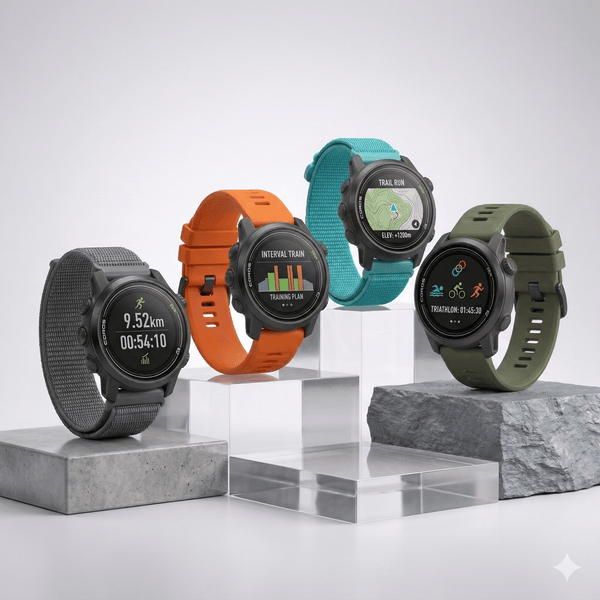
Woven nylon breathes better than anything else, which means less trapped moisture. The best choice if you have had problems before.
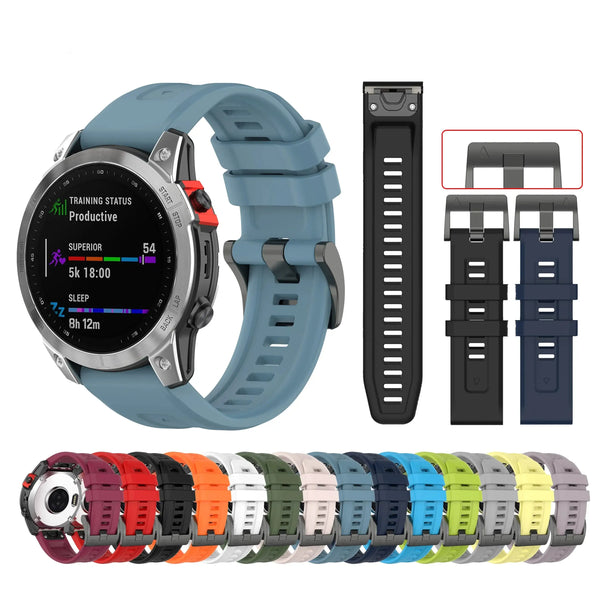
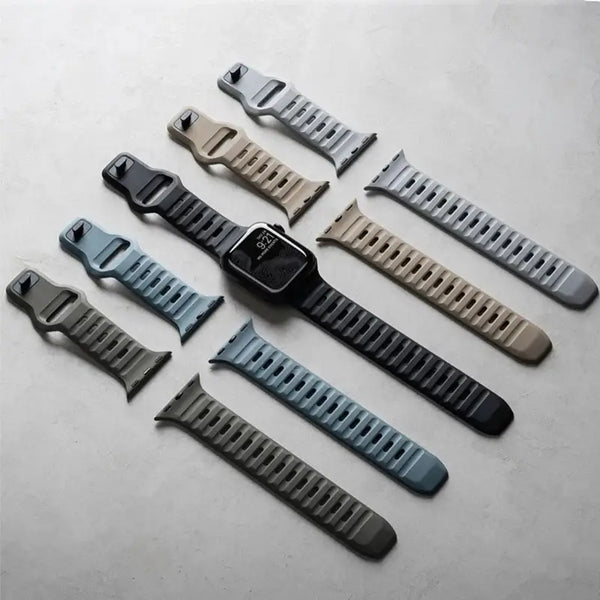
Silicone does not breathe, but it does not absorb anything either, so it rinses completely clean in seconds. Good if you are diligent about drying it.
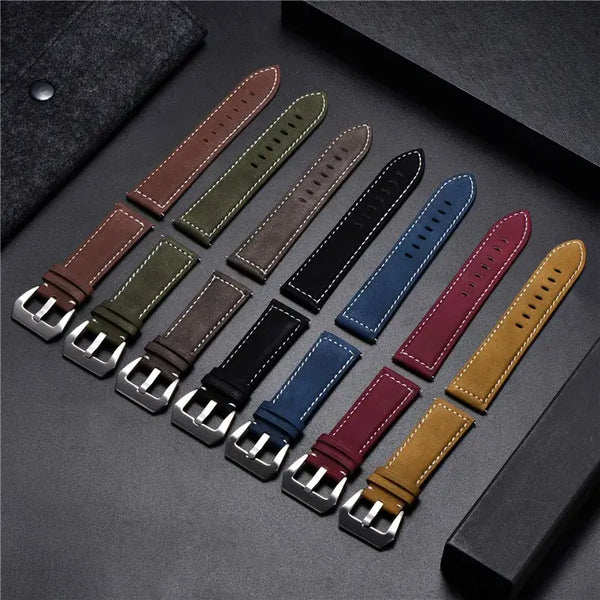
Leather absorbs sweat and holds it. The underside is where leather bands degrade first, and it is the least forgiving material for someone with sensitive skin.
Metal mesh lets some air through and cleans easily, but the clasp is the usual nickel risk.
Cleaning a band properly
Rinse with fresh water and wipe dry. For a deeper clean, a soft cloth and a little soap-free cleanser, then rinse thoroughly. Soap residue left in a band is itself a cause of irritation, so rinse more than feels necessary.
Let it dry completely before wearing. This is the step people skip.
Owning two bands helps more than you would think
Not for style reasons. Alternating gives each band a full day to dry out, which breaks the cycle of permanently damp fabric or silicone against skin.
If irritation persists after a week of loosening, drying and rinsing, it is worth speaking to a pharmacist or doctor rather than buying another band.
Shop bands for your watch across Garmin, Apple Watch, Samsung Galaxy and more.