A band that keeps coming loose, will not click in, or feels wrong on the wrist is not always a faulty band. Most of the time it is one of four fixable things.
Here is how to work out which, before you order a replacement.
The band keeps detaching
Almost always a half-seated connector rather than a broken one.
Every band mechanism gives some feedback when it locks: a click, a snap, or a spring bar dropping into its hole. If you did not feel it, it did not happen. A band that is only part way in will hold for a day or two and then release, usually while you are moving.
Test it properly: fit the band, then tug each half firmly away from the case. If either moves, reseat it.
On spring-bar watches, check the pin has actually dropped into the lug hole on both sides. It is easy to get one side seated and the other resting against the case, which looks identical.
The band will not click in
Two usual causes, and neither means a faulty part.
Grime in the channel. Months of sweat, sunscreen and dust build up where the band meets the case and physically block the connector. A cotton bud with warm water clears it. Dry it before refitting.
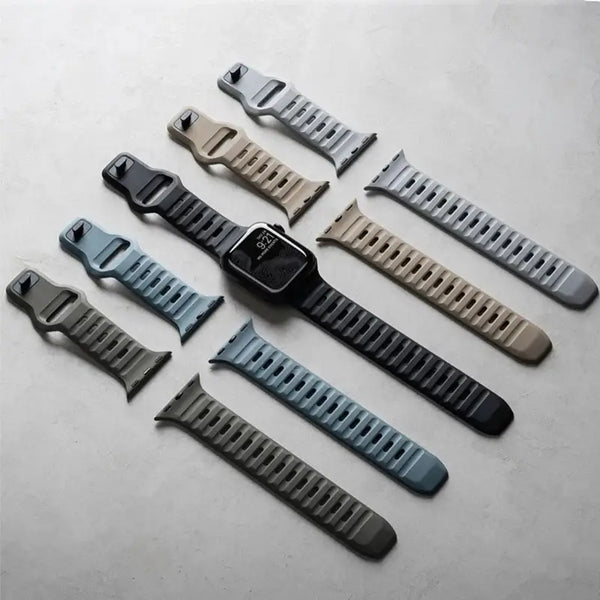
The halves are swapped. On most watches the two band halves are different and only fit their own side. Apple Watch, Fitbit and Pixel Watch bands all work this way. If one half will not seat no matter the angle, swap the two and try again. This is by far the most common cause of a band that seems faulty out of the box.
What not to do is force it. The connector is a small mechanism and the watch is the expensive half.
The watch slides around on your wrist
Usually the fit rather than the band. The watch should sit snug about a finger's width above the wrist bone, tight enough not to move when you shake your wrist, loose enough to slip a finger under.
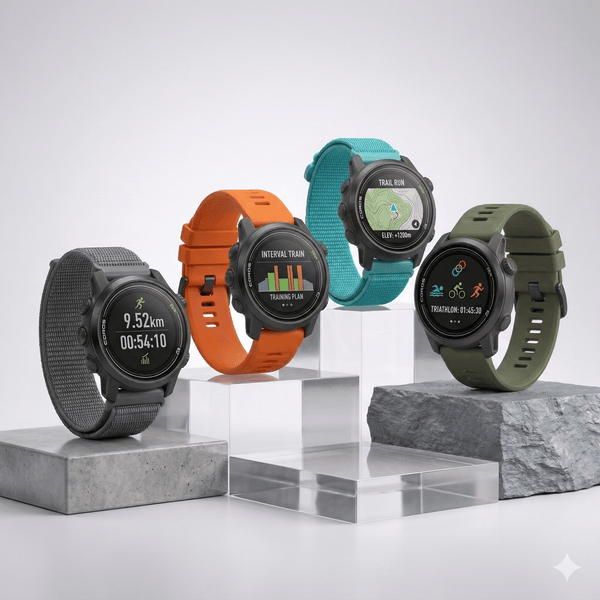
If no hole gives you that, the band type is wrong for your wrist rather than defective. Mesh and hook-and-loop nylon adjust continuously and solve it; hole-punched bands sometimes cannot.
A sliding watch is also the most common cause of erratic heart-rate readings, so this is worth fixing for reasons beyond comfort.
The band has gone stiff or smells
A cleaning problem in nearly every case, not a wear problem. Silicone and nylon both recover completely from a proper wash and full dry. Leather that has stiffened from moisture will often soften again with conditioner.
It is worth trying that before replacing, because bands are thrown away for this reason constantly.
When it genuinely is broken
Some things are not recoverable:
A cracked or chipped connector on a proprietary band. These are small plastic parts and once one breaks the band will not hold.
A spring bar that no longer springs, on standard bands. Replaceable cheaply and separately from the band.
Silicone that has split at a hole, or gone permanently tacky.
Nylon frayed through at the keeper.
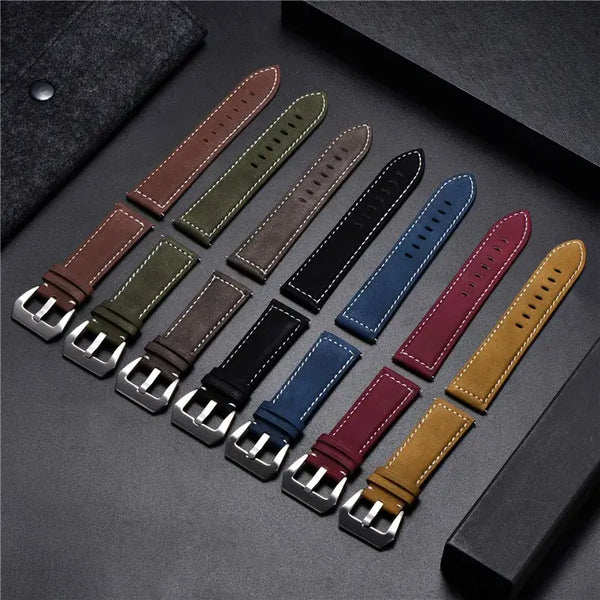
Leather cracked rather than stiff, particularly at the fold points.
A clasp that no longer holds under tension.
Before you order a replacement
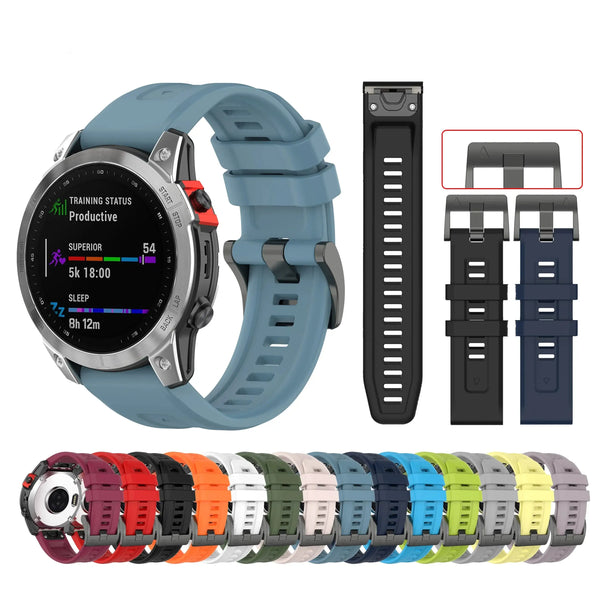
Check the model, not just the brand. Fitbit, Apple, Pixel and Garmin QuickFit all use proprietary fittings, and generations within a line often differ. A band that fits your old watch may not fit your new one even though both carry the same brand name.
For standard spring-bar watches, measure the gap between the lugs rather than the old band, which is usually cut slightly narrower.
Shop bands for Garmin, Apple Watch, Samsung Galaxy, Pixel Watch and more.