Most watch bands are thrown away before they are worn out. They get stiff, discoloured or smelly, the owner assumes the band has had it, and a replacement goes in the basket.
Usually it just needed cleaning. Here is how to do it by material.
The habit that matters most
Rinse the band with fresh water after swimming, and after any session where you sweat heavily.
Chlorine and salt are what actually degrade bands, and they keep working long after you have dried off. Ten seconds under a tap removes both. This one habit extends the life of a silicone or nylon band more than anything else on this page.
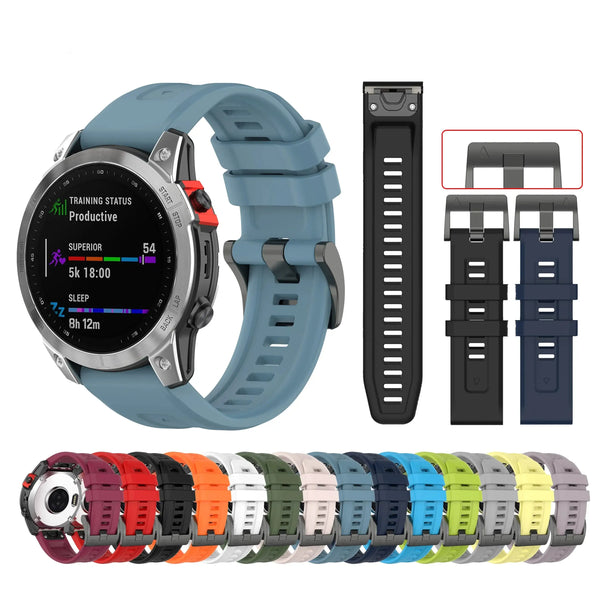
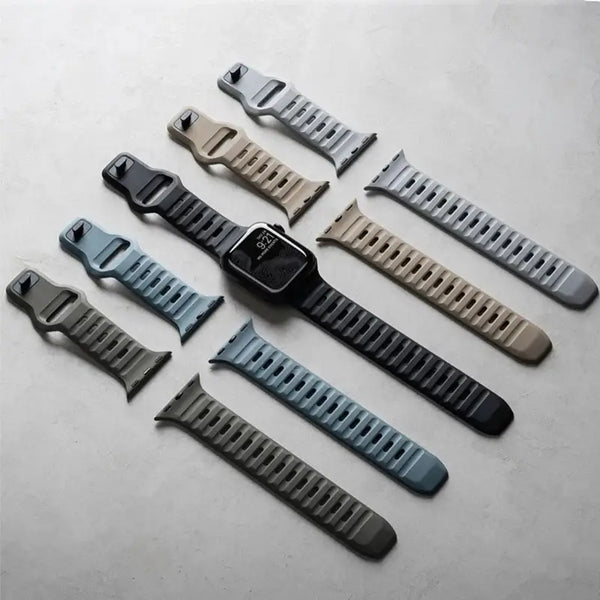
Silicone
Rinse under warm water and wipe dry with a soft cloth. For a deeper clean, use a little soap-free cleanser, then rinse thoroughly.
Rinse more than feels necessary. Soap residue left in the band is itself a common cause of skin irritation, and people often blame the material for what is really leftover detergent.
For persistent smell: a paste of baking soda and water, worked in gently with a soft brush, then rinsed off. Avoid anything abrasive, which scratches the surface and gives dirt somewhere to sit.
For discolouration: lighter silicone bands pick up dye from clothing and colour from sunscreen. Prompt washing helps; once it has set, it is usually permanent.
Nylon and woven bands
Hand wash in warm water with a small amount of mild detergent. Work the weave gently with your fingers rather than scrubbing, which frays the fibres.
Rinse thoroughly and press between a towel to remove water, then air dry completely. Do not put it near a radiator or use a hairdryer, as heat damages the fibres and any adhesive at the ends.
The critical part is drying. Nylon holds water in the weave, and putting a damp band back on is what causes both the smell and most skin problems. Give it a full day if you can, which is the practical argument for owning two.
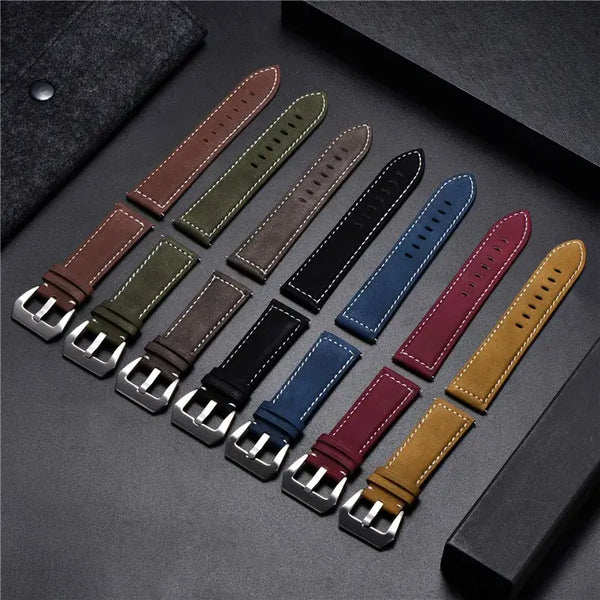
Leather
Wipe with a barely damp cloth. Never soak it, never run it under a tap, and never put it in water to clean it.
Let it dry naturally, away from direct heat. A radiator will cook leather and cause exactly the cracking you are trying to avoid.
Conditioning: a small amount of leather conditioner every few months keeps it supple. Apply sparingly to the top surface only, and let it absorb before wearing.
The underside is where leather dies. Sweat soaks in from below, and by the time the top looks worn the inside has usually been stiff for months. Wiping the underside after wear is more useful than polishing the top.
Stainless steel, mesh and link bracelets
Rinse and dry, paying attention to the clasp, where residue collects and eventually affects the mechanism.
For links and mesh, a soft toothbrush with warm soapy water gets into the gaps. Rinse and dry thoroughly afterwards, since water left between links causes marks.
On plated bands, gold and rose gold especially, be gentle. The colour is a surface layer and abrasive cleaning takes it off. Expect some wear at the clasp regardless; that is normal rather than a defect.
Do not forget the watch
A band change is the best moment to clean the back of the case, particularly around the sensor. Residue there affects heart-rate readings more than most people realise, and you will never have better access.
Wipe it with a soft damp cloth and dry it before refitting the band.
When a band really is finished
Silicone that has gone permanently sticky or has split at a hole. Nylon that has frayed through at the keeper. Leather that has cracked rather than merely stiffened. A clasp that no longer holds.
Anything short of that is usually a cleaning problem rather than a replacement one.
Shop bands for Garmin, Apple Watch, Samsung Galaxy and more.